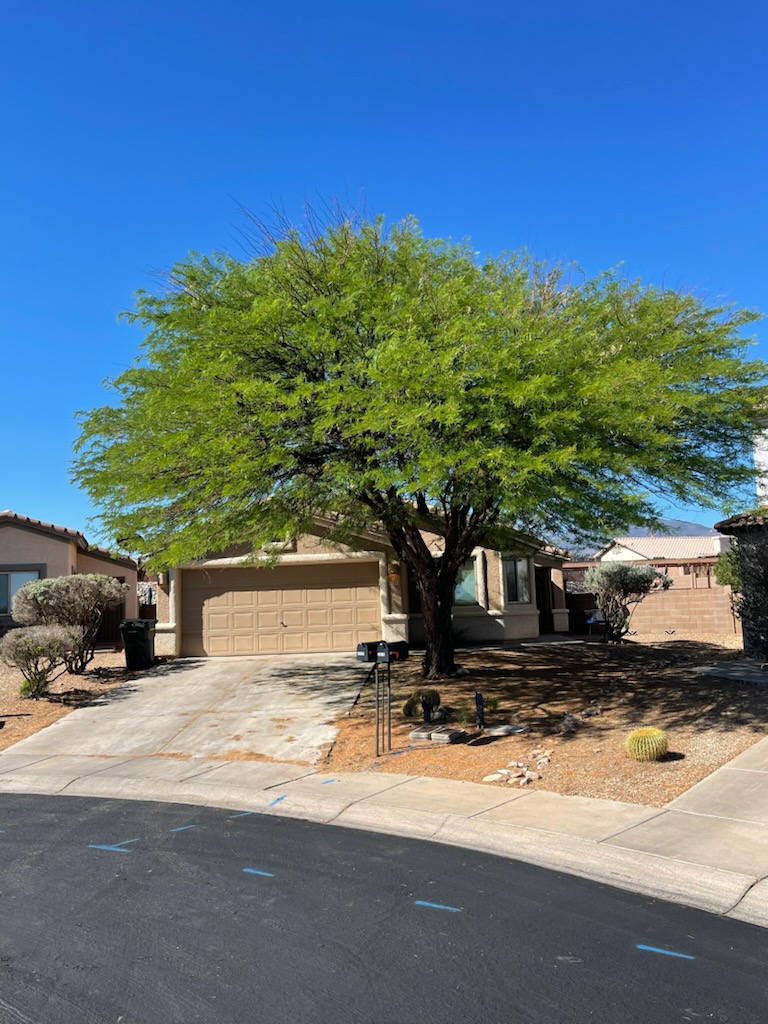
Water Management and Trees: Ensuring Sustainability and Growth Jan 26, 2026
The first step in effective water management is understanding a tree's individual water needs. Different species have varied requirements, influenced by their growth patterns and environmental conditions. For instance, a young sapling will need more frequent hydration compared to a mature tree. Moreover, climate and soil type play significant roles in determining the optimal water volume. Sandy soils, for example, drain water quickly, necessitating more frequent irrigation compared to clay-rich soils which retain moisture longer.
One effective method of water management is using mulch. Mulching helps reduce water evaporation from the soil surface, ensuring that trees receive adequate moisture. By insulating the soil, mulch maintains a consistent temperature, promoting root health. Additionally, it suppresses weed growth that competes with trees for water and nutrients. Regularly applying a layer of organic mulch, like wood chips or shredded bark, mimics the natural environment in which trees thrive.
Drip irrigation systems offer another sustainable watering solution. These systems deliver water directly to the tree's root zone, minimizing waste and ensuring efficient use. By controlling the flow, drip systems cater to the specific water needs of individual trees, which is critical in drought-prone areas. This targeted approach conserves water and provides deep soil soaking, fostering robust root growth that enhances tree stability.
It is also essential to be mindful of the watering schedule. Watering during early morning or late afternoon reduces evaporation losses, allowing trees to absorb more moisture. Adjusting watering times to reflect weather conditions and seasonal changes is crucial. For example, during periods of consistent rain, reducing supplemental irrigation prevents waterlogging, a condition that can lead to root rot.
Implementing rainwater harvesting systems can further enhance sustainability in your water management practices. By channeling rainwater into storage tanks, you can reduce dependency on municipal water supplies. This not only conserves resources but also cuts costs. Such systems can be part of a broader environmental approach, contributing to water conservation efforts and fostering an eco-friendly mindset.
Regular tree health assessments are also vital in detecting water stress early. Visible indicators such as wilting, discolored leaves, or stunted growth can reveal inadequate watering. Professional arborists, like those from A to Z Grounds Keeping, can offer expert evaluations and suggest personalized strategies to address these issues.
In conclusion, integrating sustainable water management with tree care ensures longevity and vibrancy. Companies specializing in tree services provide valuable insights and tools necessary for maintaining this balance. By understanding a tree's unique needs and leveraging methods like mulching, drips systems, and rain harvesting, we not only promote healthy growth but also contribute to a greener world. The steps taken today in responsible water management pave the way for a more sustainable and healthier environment tomorrow.
/filters:no_upscale()/filters:format(webp)/media/8d032416-7455-4393-bd6c-736df7f7b70a.jpeg)
/filters:no_upscale()/filters:format(webp)/media/43281b55-b2dd-4704-8a8b-d487fa0d403a.jpeg)