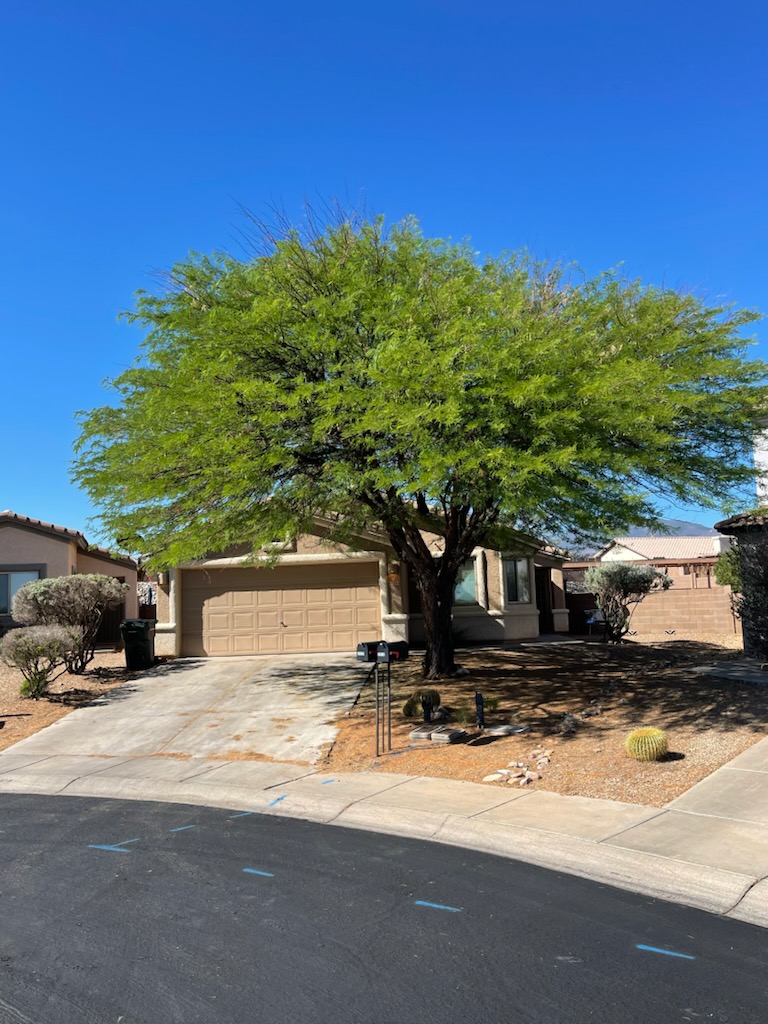
Urban Tree Transformation: Innovative Strategies for Sustainable Growth and Care Nov 13, 2026
Understanding the specific conditions of urban tree environments is the first step towards effective care. Urban trees often struggle with limited root space, pollution, and competition for sunlight. These challenges necessitate a strategic approach to tree selection and planting. Choosing native tree species that are adapted to local climate conditions and soil types can significantly increase the successful integration of trees into urban settings. Native trees are more resilient, requiring less maintenance and offering greater ecological benefits.
One innovative strategy involves utilizing advanced soil management techniques. Compacted and nutrient-poor urban soils are common barriers to healthy root development. Solutions such as soil aeration, the addition of organic matter, and the use of biochar can enhance soil structure, promoting better water retention and root expansion. These practices not only improve the growth conditions for existing urban trees but also prepare sites for successful new planting.
Technology is playing an ever-increasing role in tree care strategies. Digital mapping and Geographic Information Systems (GIS) allow for detailed monitoring of tree health across urban areas. By collecting and analyzing data on tree growth patterns, pest infestations, and disease outbreaks, tree care specialists can make informed decisions that optimize the health and longevity of urban trees. This proactive approach minimizes emergency interventions and ensures a healthier urban canopy.
Community engagement is also vital in transforming urban landscapes. Educating the public about the importance and benefits of urban trees can foster community involvement in tree planting and maintenance initiatives. Programs that encourage local participation not only help increase the urban forest cover but also build a community connection with nature, promoting stewardship and care for these vital resources.
Moreover, structural innovations are on the rise, with developments such as green roofs and vertical gardens integrating natural elements within the urban infrastructure. These innovations expand the space available for plant life, providing additional benefits such as improved building insulation and biodiversity support. These structures require specialized care and maintenance, areas where expertise like that offered by A to Z Grounds Keeping can be invaluable.
In conclusion, the journey towards a sustainable urban forest requires integrating traditional practices with innovative strategies. By choosing appropriate species, enhancing soil health, leveraging technology, and fostering community involvement, we can ensure that urban trees continue to thrive amid the demands of city life. At A to Z Grounds Keeping, we are committed to leading the charge in urban tree transformation. Our expert knowledge and dedication are here to support the health and sustainability of trees in urban environments, ensuring that these green lungs continue to breathe life into our cities.

