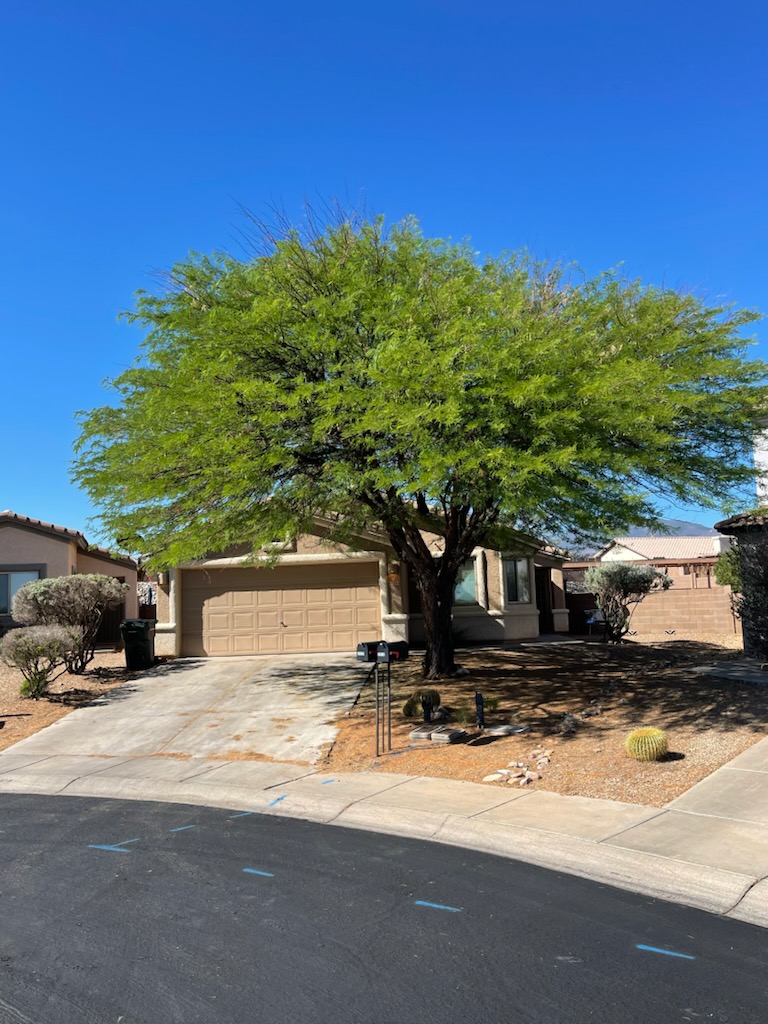
The Role of Trees in Urban Microclimate Regulation: Insights from the Experts Nov 11, 2026
Microclimate refers to the local atmospheric zone where the climate differs from the surrounding area. In urban settings, structures like buildings and roads absorb and retain heat, contributing to what is known as the urban heat island effect. This effect can make cities significantly warmer than nearby rural areas. Trees, however, mitigate these challenges by influencing the microclimates around them.
One primary way trees regulate urban microclimates is through the process of transpiration. During this process, trees absorb water through their roots and release moisture into the atmosphere via their leaves. This release of water vapor cools the air, akin to the effect of a natural evaporative cooler. Not only does this help lower the local air temperature, but it also enhances the overall comfort of outdoor spaces, making city life more bearable during hot weather.
In addition to their cooling effect, trees act as natural air purifiers. They filter pollutants from the air, capturing particulate matter on their leaves and bark. This improves air quality, a crucial aspect for urban areas often plagued by traffic and industrial emissions. At A to Z Grounds Keeping, we emphasize using specific tree species known for their excellent pollutant absorption capabilities, ensuring optimal air purification for city environments.
Wind reduction is another significant benefit provided by trees. Strategically planted, trees serve as windbreaks, reducing wind speed and energy use in adjacent buildings. This can lead to lower heating costs in the winter, as wind protection from tree canopies reduces the amount of heat lost from buildings. Our expertise at A to Z Grounds Keeping helps in selecting and positioning trees to maximize these energy-saving benefits.
Moreover, trees contribute to biodiversity, creating habitats for various bird species, insects, and other wildlife in urban settings. They enhance the ecological value, transforming concrete jungles into vibrant ecosystems. By promoting biodiversity, trees contribute to the overall health and sustainability of urban areas, a goal we actively pursue in our tree service practices.
Cities with abundant trees also witness increased property values and improved community well-being. Research has shown that green spaces correlate with reduced stress levels, enhanced mental health, and increased social cohesion. The presence of trees not only beautifies urban landscapes but also enriches communities by offering physical and psychological respite from the rigors of urban living.
At A to Z Grounds Keeping, our commitment is to harness the full potential of trees in urban settings, ensuring they are maintained for maximum health and longevity. Our tree care services are designed to support both the aesthetic value and functional benefits trees provide. Whether assessing species for urban planting, managing tree health, or advising on placement, our expertise helps cities flourish.
In conclusion, trees are indispensable allies in regulating urban microclimates, offering multifaceted benefits that improve environmental conditions and enhance quality of life. By recognizing and utilizing the natural services trees provide, we can create healthier, more sustainable, and livable urban centers. We at A to Z Grounds Keeping are dedicated to this vision, providing tree services that help build greener cities for the future.

