The Role of Trees in Managing Urban Heat: Strategies from the Professionals May 17, 2026
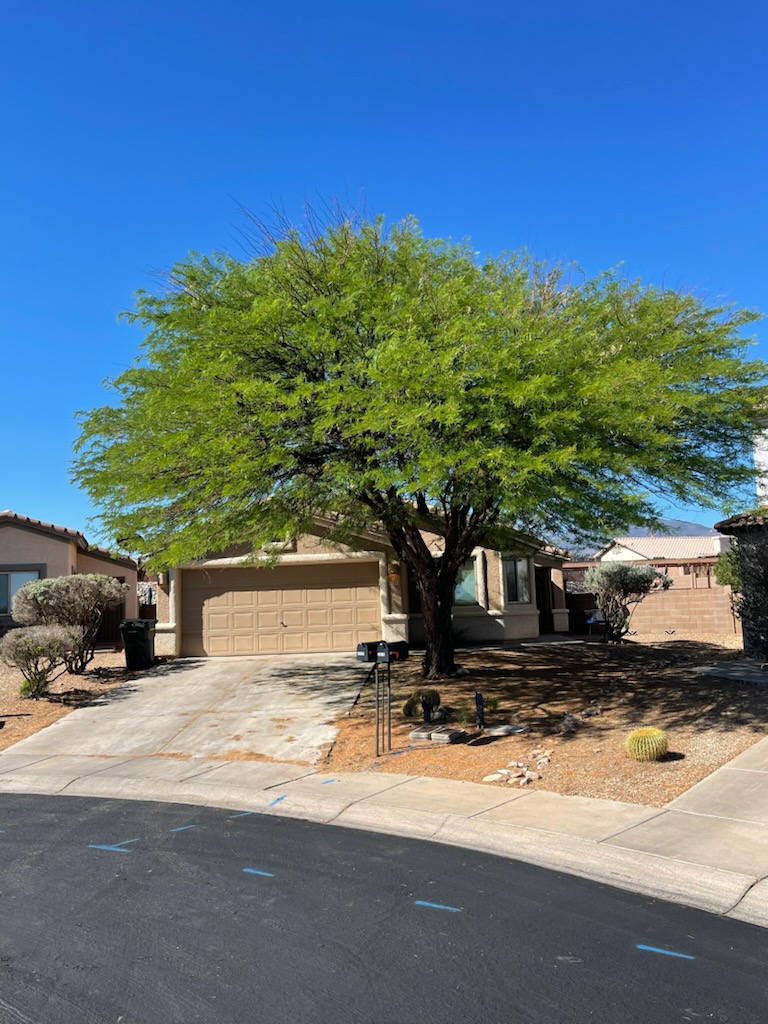
Trees offer a simple yet powerful way to mitigate urban heat. They provide shade, reducing the need for air conditioning and lowering energy consumption in buildings. This cooling effect is particularly evident on scorching summer days when temperatures can soar to uncomfortable levels. By strategically planting trees, cities can enjoy cooler temperatures, making urban environments more livable for residents.
Apart from providing shade, trees help cool the air through a process known as transpiration. As trees release water vapor from their leaves into the atmosphere, they cool the surrounding area. This natural form of air conditioning can significantly diminish the effects of urban heat islands. A to Z Grounds Keeping stresses the importance of choosing the right species and placing them in optimal locations to ensure they fulfill this vital function.
Urban planning plays a pivotal role in managing the heat within cities. Integrating green spaces, such as parks and streets lined with trees, can alleviate heat stress in densely populated areas. Such spaces not only provide respite for the people but also foster biodiversity, improving the overall ecological health of our cities. As professionals in tree services, our team can help design urban landscapes that optimize these benefits, ensuring that the selected greenery contributes effectively to temperature regulation.
Implementing tree services in urban planning requires a long-term vision. A to Z Grounds Keeping recommends a three-step approach: assessment, planting, and maintenance. Initially, it's crucial to assess the specific needs of an area. This involves analyzing local climate conditions, soil quality, and existing biodiversity to plan effectively. Once the groundwork is laid, selecting tree species that thrive in the climate and meet ecological needs is paramount. Finally, ongoing maintenance ensures trees remain healthy, maximizing their ability to combat urban heat. This involves regular pruning, pest control, and providing adequate water, especially during dry spells.
Beyond cooling, trees impart numerous secondary benefits. They improve air quality by absorbing pollutants and carbon dioxide, foster wildlife habitats, and enhance the aesthetic appeal of urban environments. In light of these advantages, it's no surprise that cities around the world are prioritizing tree planting in their sustainability agendas. At A to Z Grounds Keeping, we are committed to helping urban planners and homeowners alike make informed decisions about plantings that will not only beautify spaces but also contribute to urban cooling.
In conclusion, trees are indispensable in managing urban heat and enhancing the quality of life in our cities. With strategic planning and expert tree services, cities can effectively reduce the urban heat island effect, cut down on energy consumption, and create healthier environments. A to Z Grounds Keeping is dedicated to providing professional guidance and services to ensure our urban areas remain sustainable and pleasant for generations to come. By leveraging the natural power of trees, we pave the way for cooler, more vibrant urban landscapes.
/filters:no_upscale()/filters:format(webp)/media/8d032416-7455-4393-bd6c-736df7f7b70a.jpeg)
/filters:no_upscale()/filters:format(webp)/media/43281b55-b2dd-4704-8a8b-d487fa0d403a.jpeg)